
The Allure of Gambling
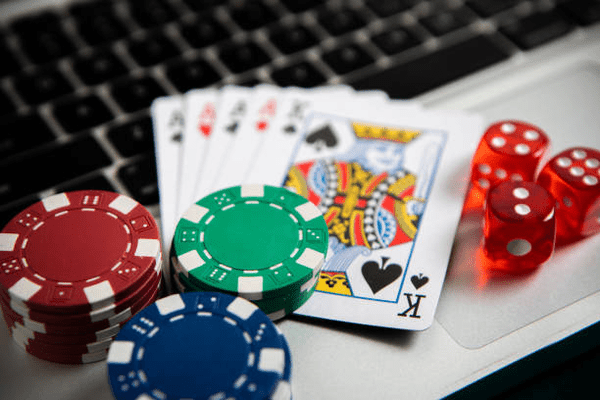
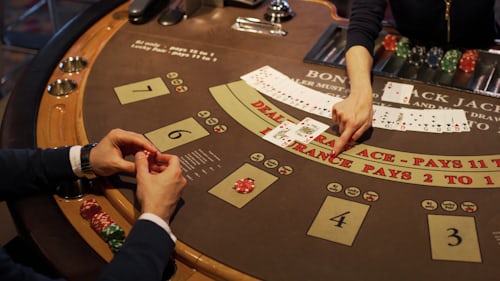
The world of gambling has long fascinated individuals, drawing millions to casinos, poker tables, and online platforms. The thrill associated with potentially winning big keeps players coming back, even when the odds are against them. Traditional theories suggest that this attraction stems from a blend of excitement, risk-taking behavior, and an innate desire for escapism. Many gamblers perceive engaging in these activities as a way to break the monotony of daily life.
Beyond the excitement lies a complex psychological framework that governs decision-making in gambling. The interaction of cognitive biases, emotional responses, and situational factors often leads individuals to overlook the statistical realities of their choices. For anyone seeking a more immersive gambling experience, platforms such as https://betking-mobile.ng/ provide an engaging environment to explore this fascinating world further.

Cognitive Biases in Gambling
Cognitive biases play a significant role in shaping gamblers' decisions and reinforcing their habits. One prevalent bias is the "gambler’s fallacy," where individuals mistakenly believe that past outcomes affect future events in games of chance. For instance, a player might think that after a series of losses, a win is due. This belief can lead to increased betting in hopes of recovering losses, perpetuating a cycle of poor decision-making.
Another crucial bias is the "illusion of control," where individuals overestimate their ability to influence random events. Gamblers may believe they have an edge in games like slots or roulette because of their strategy or choice of numbers, leading to repeated engagement. Recognizing these cognitive pitfalls can be invaluable for anyone wanting to understand the intricacies of gambling behavior.
The Emotional Component of Gambling
The emotional landscape of gambling is as significant as the cognitive processes involved. Excitement, anxiety, and even euphoria accompany moments of risk-taking. When players win, the thrill can trigger the release of dopamine, a neurotransmitter associated with pleasure and reward. This positive feedback loop can entrench gambling behaviors, making it difficult for individuals to resist the lure of risk.

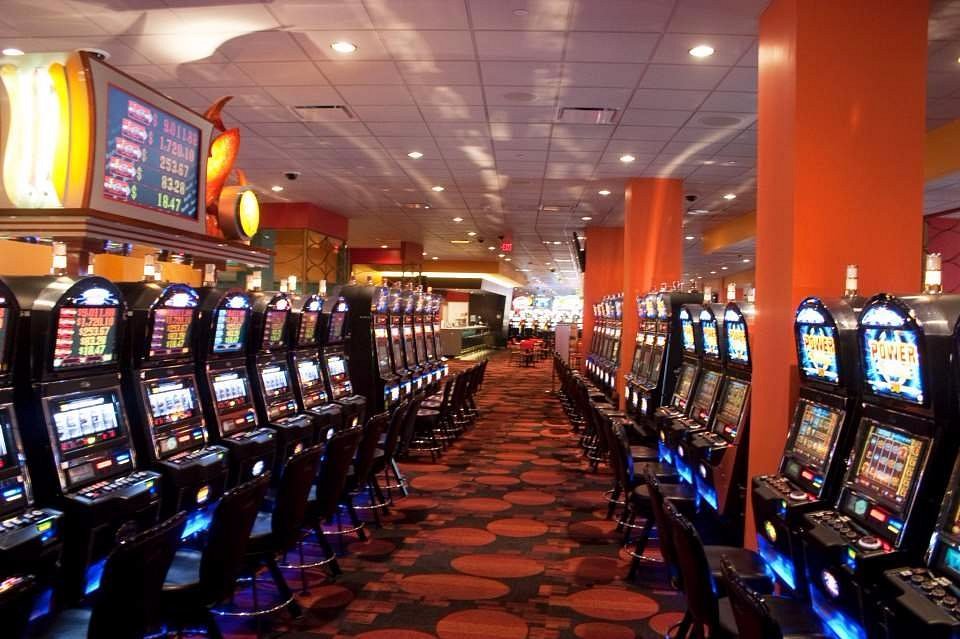
The environment and social context play decisive roles in shaping gambling habits. Settings such as casinos are designed to maximize engagement and spending. Padded chairs, vibrant lights, and the sound of jingling coins create an atmosphere that enhances the thrill of gambling. Additionally, social factors, like peer pressure or a shared culture around gambling, can heavily influence an individual’s choices, often reinforcing their participation in these activities.
Moreover, social circles can impact the frequency and intensity of gambling. Friends or family members who engage in gambling may inadvertently encourage others to participate, establishing a normalization of the behavior. The presence of others during gambling also contributes to emotional experiences, often amplifying the highs and masking the lows for individuals involved.
About Betking Mobile
As a leading online gambling platform, Betking Mobile presents a user-friendly environment for players looking to explore their gambling habits without the constraints of a physical location. The platform offers various games, from sports betting to casino classics, catering to a wide array of preferences. Its design takes into consideration the psychological nuances discussed above, providing features that enhance player engagement while promoting responsible gaming practices.
By understanding the motivations and behaviors driving gambling habits, Betking Mobile aims to foster a responsible gaming community that emphasizes both enjoyment and awareness. Through educational tools and resources, the platform seeks to empower players to make informed decisions, ultimately enhancing their overall experience in the gambling world.